
5 Ways to Keep Your Elderly Loved One Safe at Home | Daily Check-In Tips
Learn 5 simple ways to keep your elderly loved one safe at home. Discover daily check-in calls for seniors and tips for safety and peace of mind.
SENIOR CARE TIPSFAMILY SUPPORT FOR SENIORS
3/11/20264 min read
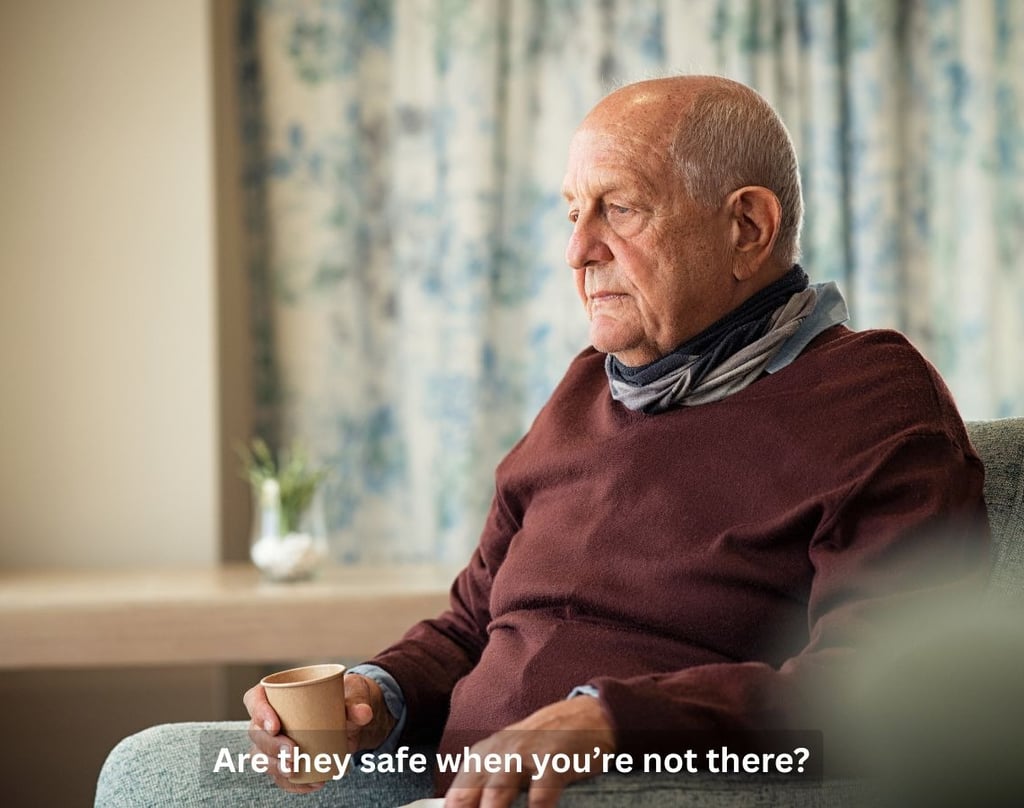
If you’ve ever wondered whether your elderly loved one is truly safe at home when you’re not there, you’re not alone. Many families struggle with balancing independence and safety. The good news is there are simple, effective ways to keep seniors safe at home while giving you peace of mind.
How to Keep Your Elderly Loved One Safe at Home
1. Reduce Fall Risks Around the Home
Falls are one of the biggest risks for older adults. Even a small slip can lead to serious injury.
If you’re wondering how to keep seniors safe at home, this is the first place to start.
What you can do:
Install grab bars in bathrooms (near toilets and showers)
Use non-slip mats in wet area
Remove loose rugs or secure them with backing
Improve lighting in hallways, stairs, and entryways
Keep walkways clear of clutter
Even small changes like moving a coffee table or adding a night light can make a big difference.
Pro tip:
Walk through the home as if you were them. Notice anything that could cause a trip or require extra balance.
2. Set Up Daily Check-In Systems
If your loved one lives alone, consistent communication is essential.
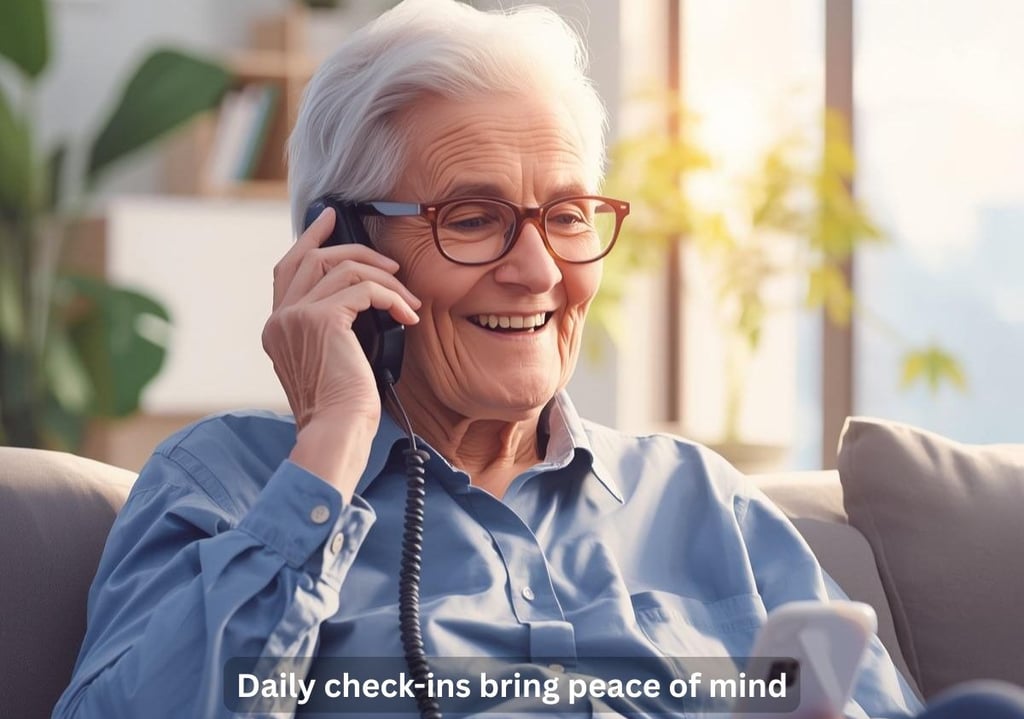
Many families rely on daily check-in calls for seniors as a simple but powerful safety habit.
Why it matters:
Confirms they’re okay each day
Helps detect early signs of illness or confusion
Reduces loneliness and isolation
Options to consider:
Family members rotate daily calls
Set a fixed check-in time each day
Use reminders or alarms so they expect the call
And if you need something more structured:
A senior daily check-in service provides consistent daily calls and alerts, helping families ensure their loved ones are safe at home.”
This kind of service is especially helpful if you can’t call every day yourself.
A senior daily check-in service is one of the most reliable ways to ensure your elderly loved one is safe at home, providing consistent calls and alerts if something is wrong.
This is especially helpful for families who can’t check in every day.
If you’re not familiar with how these services work, it’s helpful to understand what a senior daily check-in service is and how it works.
3. Use Smart Technology for Monitoring
Technology has made monitoring seniors living alone easier and less intrusive than ever.
You don’t need a full surveillance system. Just a few well-chosen tools can provide peace of mind.
Useful devices:
Medical alert systems (with fall detection)
Smart door sensors (to track movement)
Motion detectors (to confirm daily activity)
Video doorbells for added security
Smartwatches with emergency SOS features
What to keep in mind:
Choose tools that are simple to use. If it feels complicated, it won’t get used.
This step is about support, not surveillance.
4. Keep Medications Organized and Safe
Medication mistakes are more common than people think. Missing doses or taking the wrong medication can quickly become dangerous.
If you’re thinking about elderly care safety tips, medication management should be high on your list.
Simple ways to improve safety:
Use a weekly pill organizer
Set alarms or phone reminders
Keep a printed medication list visible
Review medications regularly with a doctor or pharmacist
Extra support:
There are automatic pill dispensers that release the correct dose at the right time. These are helpful if memory is becoming an issue.
5. Build a Support Network Around Them
You don’t have to do this alone.
Creating a small network of people who can help check in is one of the most effective ways to ensure your elderly loved one safe at home.
Who can be part of the network:
Neighbors
Friends
Nearby relatives
Caregivers or aides
Local community groups
How it helps:
Someone nearby can respond quickly if needed
Reduces pressure on one family member
Adds social interaction to their routine
Simple idea:
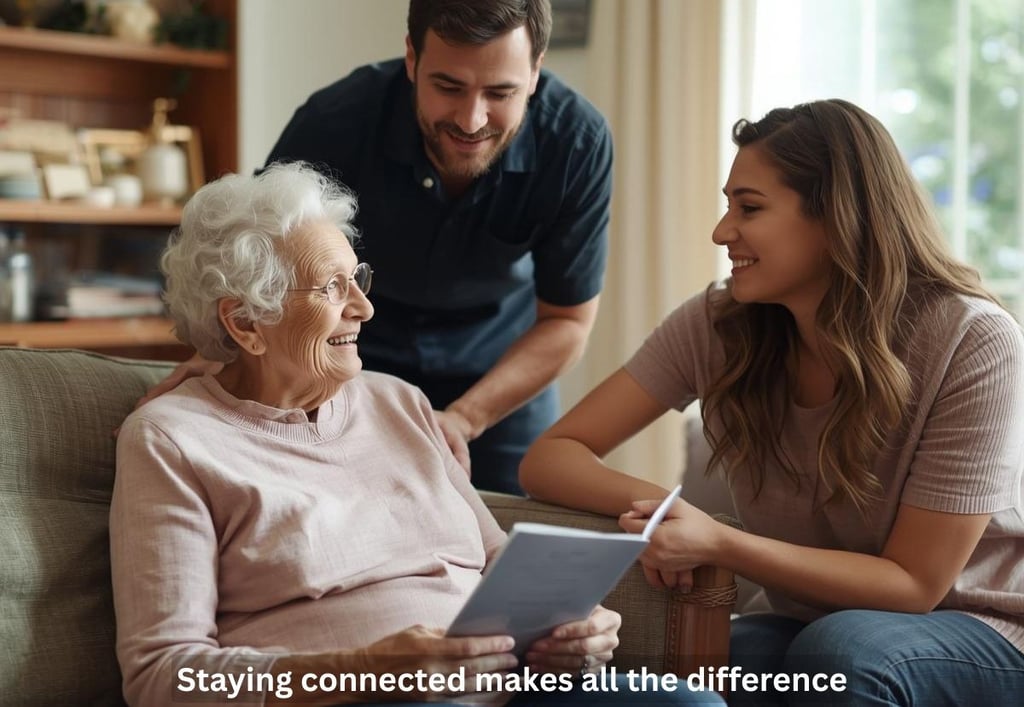
Ask a neighbor to casually check in once or twice a week. Even a quick “hello” can go a long way.
Bonus: Watch for Subtle Warning Signs
Safety isn’t just about equipment and routines. It’s also about noticing changes.
If you’re figuring out how to check on elderly parents, pay attention to small shifts in behavior.
Signs to look for:
Missed calls or confusion during conversations
Changes in eating or sleeping habits
Unopened mail piling up
Poor hygiene or messy living space
Increased forgetfulness
These signs don’t always mean something serious, but they’re worth paying attention to early.
Internal Resources You Might Find Helpful
To go deeper, you can explore:
How to talk to aging parents about safety
Choosing the right senior monitoring tools
When to consider in-home care
If you’re unsure how to stay consistent, there are simple ways to check on elderly parents living alone daily.
How VeraCare Helps Keep Seniors Safe at Home
VeraCare provides a trusted senior daily check-in service designed to help families and churches stay connected with seniors through consistent daily calls and real-time alerts.
With VeraCare, you don’t have to wonder if your loved one is okay—you’ll know.
It’s a simple, reliable way to make sure your elderly loved one is safe at home every single day.
Final Thoughts
Keeping your elderly loved one safe at home doesn’t have to be overwhelming.
With a few simple steps and consistent check-ins, you can create a safe, supportive environment that gives both you and your loved one peace of mind. The key is staying proactive, connected, and consistent.
VERA Care is a non-medical communication and organization platform. It does not provide medical advice, diagnosis, treatment, or emergency services. In emergencies, call 911.
© VERA Care. Built around Voice, Escalation, Response, and Accountability.
Email: support@veracare.org
© 2025. All rights reserved.
Millville NJ 08332
Phone: 1-856-856-4412